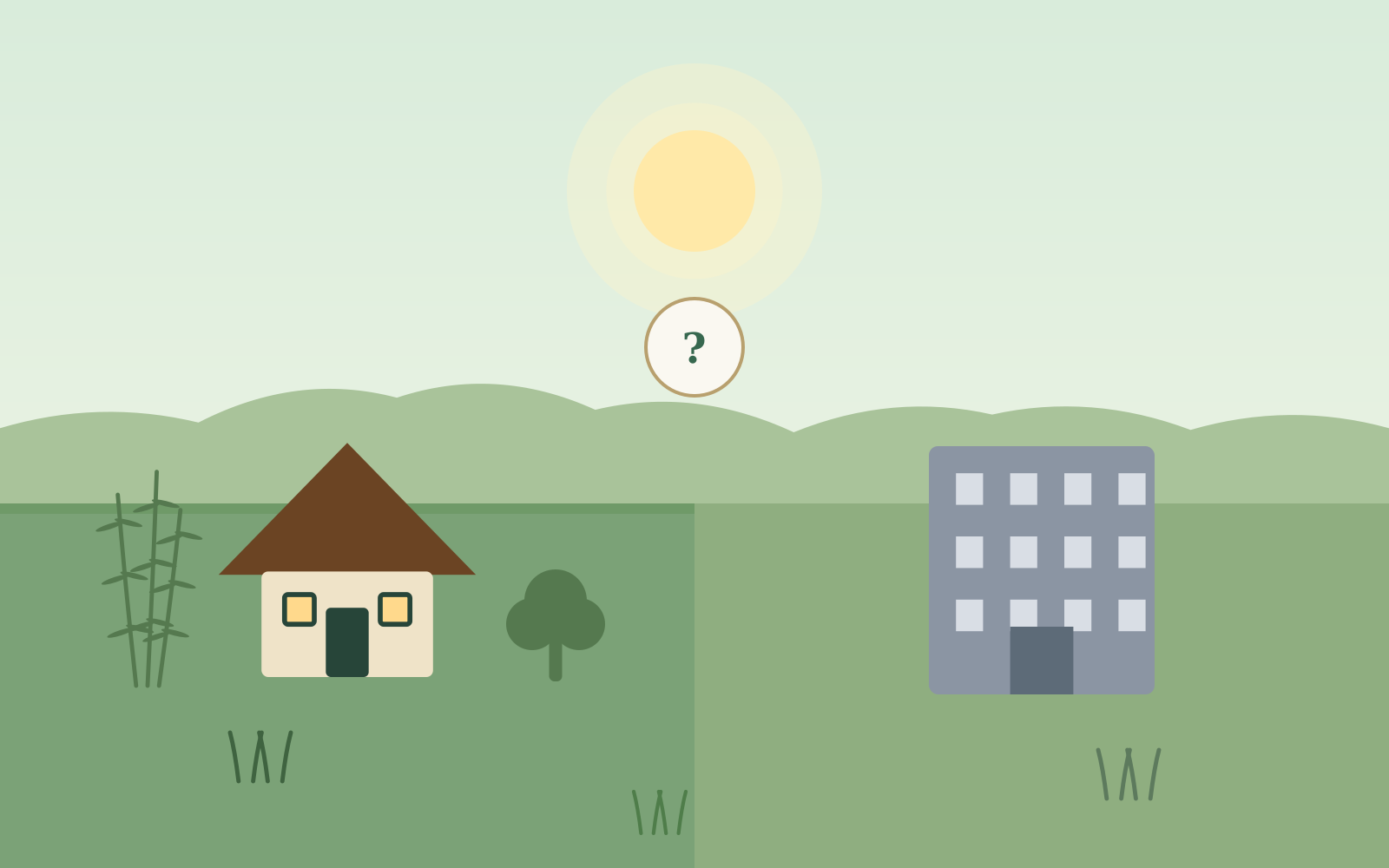
The Dooars has both kinds of stays. Here is what actually differs — beyond the photos — so you pick the right one for your trip.
The honest version
Resorts in the Dooars give you predictability: pools, buffers, room service, other tourists to watch. Homestays give you proximity: the host family, local food, local knowledge, and the forest audibly closer. Neither is wrong — they are different holidays.
Cost, compared honestly
A mid-range Dooars resort typically charges ₹3,500–6,000 per night for a double, with meals adding ₹1,000–1,500 per person per day. Homestays in the same belt run ₹1,600–2,500 room-only, with full home-cooked meals around ₹650 per person a day. For a family of four on a 3-night trip, the difference often pays for the safari and the pickup.
Where resorts earn their premium: pools, big buffets, backup staff, conventions. Decide whether you will use any of that.
Food: menu vs market
Resort kitchens work from a fixed menu that survives coaches of guests. Homestay kitchens work from the morning market and the house pot — which means seasonal vegetables, a fish curry the way the household makes it, and the cook asking how spicy you actually want it. If food is a big part of why you travel, this is the decider.
Access to the forest
Both homestays and resorts arrange safaris — the forest department prices are identical. The difference is motive: a resort books your jeep, a homestay host rides you to the right gate at the right hour, tells you which slot the elephants used this week, and knows the guide personally. Local knowledge compounds.
Who should pick what
Pick a resort if: you want a pool for kids, you are attending a corporate offsite, or you want a big buffet and room service at 11 pm.
Pick a homestay if: you want the forest audible at night, food with a cook’s fingerprints on it, honest rates, and your money staying in the village. That is the stay we built — and we are happy to recommend resort friends nearby when your trip is a different animal.
Stay at the source
Everything in this guide is walking distance from our gate
Chilapata Eco Hut — four huts, home-cooked meals and safaris arranged by people who live here. Check dates on WhatsApp and we will hold the room while you pack.
Common questions
Are homestays safe for solo female travellers?
Owner-hosted homestays like ours are among the safest stays in the region — shared common spaces, hosts on site, and a village that knows who belongs. Read recent reviews and message the host before booking; that conversation tells you a lot.
Do homestays have Wi-Fi and hot water?
We have both — a hot-water geyser in every bathroom and Wi-Fi in the common area, with an inverter to carry lights and fans through power cuts. Speeds are village-honest rather than city-honest; treat a Dooars trip as a chance to unplug a little.